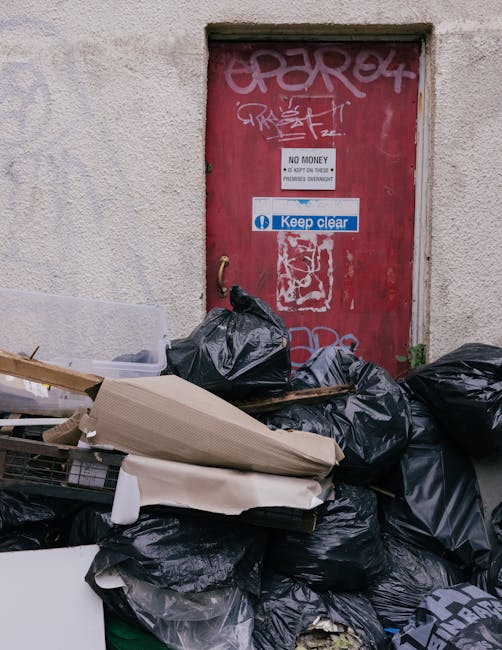
Avoid hidden rubbish removal charges in Kensington

If you have ever booked a rubbish removal job and then watched the final bill creep up, you are not alone. Hidden rubbish removal charges can turn a simple clear-out into a frustrating, expensive surprise. In Kensington, where access can be tight, parking can be awkward, and many jobs involve mixed waste or bulky items, the risk of extra fees is even higher.
This guide shows you how to avoid hidden rubbish removal charges in Kensington without wasting time or second-guessing every quote. You will learn what to look for in pricing, how quotes usually work, which add-ons are fair, which ones are not, and how to compare providers properly. A little preparation goes a long way here. Honestly, it saves both money and hassle.
- Why it matters
- How rubbish removal pricing works
- Key benefits of transparent pricing
- Who needs this most
- Step-by-step guidance
- Expert tips
- Common mistakes to avoid
- Tools, resources and recommendations
- Law, compliance and best practice
- Options and comparison table
- Real-world example
- Practical checklist
- Conclusion
- Frequently asked questions
Why Avoid hidden rubbish removal charges in Kensington Matters
The short version? Because the price you first see is not always the price you finally pay. That is especially true with waste jobs where the volume is uncertain, the access is tricky, or items turn out to be more awkward than they first looked. Kensington properties often come with narrow stairwells, shared entrances, basement levels, controlled parking, and limited loading space. All of that can affect the job, but it should be explained clearly before anyone starts.
Hidden charges matter for a simple reason: they make budgeting impossible. If you are clearing a flat, emptying an office, or dealing with builders' waste, you need to know whether the quote includes labour, loading, congestion or parking considerations, disposal fees, and special item handling. Otherwise you are comparing apples with pears. Or, to be fair, apples with a random bag of broken tiles.
Transparent pricing also helps you make better decisions. When you understand what is included, you can decide whether a full-service collection, a specialist clearance, or a more itemised service is the better fit. That is where a page like pricing and quotes becomes genuinely useful, because the real value is not just the figure itself, it is the clarity behind it.
There is another reason this topic matters: trust. A company that explains its pricing clearly usually explains the rest clearly too. You tend to notice that pattern. The paperwork is cleaner, the timing is better, and the team answers questions without dodging them.
How Avoid hidden rubbish removal charges in Kensington Works
In practice, avoiding surprise charges is about controlling uncertainty. The more accurate the initial assessment, the less room there is for a nasty little add-on later. Most rubbish removal quotes depend on a combination of these factors:
- how much waste you have, usually measured by volume
- what type of waste it is, such as general junk, furniture, builders' rubble, or electrical items
- how easy it is to access the waste
- how long the collection will take
- whether the job needs two people or more
- disposal and recycling handling requirements
- any special treatment for restricted or hazardous items
In a tidy, straightforward job, the initial quote may be enough. But if the provider has not seen the waste, or if the description was vague, you can see how problems start. A pile of "a few bits and pieces" can become several cubic metres once it is all gathered in one place. That is not usually a scam. It is just poor scoping. Still annoying though.
Good operators reduce this risk by asking detailed questions, requesting photos, or visiting the site if needed. They should explain the difference between standard waste removal and extra services such as dismantling, stair carry, or difficult access. If you are looking at broader collections, the service page for waste removal can help you understand the basic service model before you book anything.
The key point is simple: a quote should be specific enough that you can tell what happens if the job changes. If it is not, ask. A lot. Politely, but ask.
Key Benefits and Practical Advantages
Sticking with transparent pricing is not just about avoiding a bad surprise on the invoice. It can improve the whole experience from the first call to the final sweep-up.
- Better budgeting: you can set aside the right amount and avoid last-minute stress.
- Fewer disputes: clear scope means fewer arguments over what was included.
- Quicker decisions: when quotes are easy to compare, choosing becomes simpler.
- More suitable service choices: you can match the job to the right type of clearance.
- Less disruption: fewer delays caused by pricing disputes or job re-scoping.
There is also a practical benefit that people overlook: you are more likely to sort your waste properly before collection. That matters because separating furniture, appliances, and mixed junk can make the job smoother and may avoid a surprise charge if the team arrives and finds materials you had not mentioned.
For example, if you are clearing out a spare room and think it is mostly old furniture, it helps to say whether there is also a mattress, a fridge, or a bag of construction offcuts in the mix. Those items may change how the collection is priced or handled. Pages like furniture disposal and mattress and sofa disposal are useful references because they show how specific item types are treated differently.
One more thing: clear pricing tends to produce calmer appointments. That sounds small, but it matters. When nobody is awkwardly negotiating on the doorstep, the day goes better for everyone.
Who This Is For and When It Makes Sense
This advice is useful for almost anyone arranging waste collection in Kensington, but some situations carry more risk than others.
- Homeowners and tenants clearing out cupboards, lofts, or full rooms
- Landlords dealing with end-of-tenancy clearances
- Estate agents and property managers wanting predictable costs
- Small businesses removing office furniture, packaging, or fit-out waste
- Tradespeople handling builders' waste after a refurb
- People in flats or converted buildings where access can be tricky
It makes sense whenever the waste load is not totally straightforward. If you already know the collection will include mixed items, heavy lifting, or hard-to-reach access, the chance of extra charges rises. That is not a reason to avoid the service. It is a reason to be prepared.
Clearance jobs like flat clearance, house clearance, office clearance, and builders waste clearance are all common examples where the scope needs a proper conversation before the quote is accepted.
If you have ever stood in a hallway at 7:30 in the morning wondering whether the old wardrobe will fit past the bannister, you will know why detail matters. It really does.
Step-by-Step Guidance
Here is the simplest way to protect yourself from hidden rubbish removal charges in Kensington.
- List everything you want removed. Be specific. "Old stuff" is not enough.
- Group items by type. Put furniture, bags, electricals, rubble, garden waste, and anything special into separate notes.
- Take clear photos. Wide shots and close-ups both help. One photo of a messy room rarely tells the full story.
- Describe access honestly. Mention stairs, basements, lifts, parking restrictions, narrow doors, or shared entrances.
- Ask what the quote includes. Check labour, loading time, disposal, mileage, VAT if relevant, and any access-related charges.
- Ask what would count as extra. Find out in advance what changes the price.
- Get the agreement in writing. A written quote or confirmation is much easier to refer back to later.
- Confirm the timing. If the team is waiting longer than expected, check whether waiting time is charged.
- Keep the waste in one place if possible. A tidy pile makes the job faster and reduces confusion.
- Check the final invoice before paying. If something looks off, ask for a plain explanation.
That is the core of it. Not glamorous. Very effective.
If you are unsure what can go in a mixed collection, the page on what can go in a skip can be a useful reference point, even if you are not actually booking a skip. The logic is similar: some items are straightforward, some need special handling, and some should be separated from standard waste altogether.
Expert Tips for Better Results
In our experience, the cheapest-looking quote is not always the best value. A clear, slightly higher quote can be better than a vague low one that balloons later. That is especially true if the job involves more than one type of waste.
Here are the habits that help most:
- Use photos, not descriptions alone. Words like "small pile" can mean very different things to different people.
- Ask about minimum charges. Some collections have a minimum cost even for tiny jobs.
- Check whether labour is included. If not, ask exactly how it is billed.
- Clarify access issues early. A single flight of stairs may be fine; three floors with no lift may not be priced the same way.
- Separate special items. Appliances, mattresses, and hazardous waste can all require different handling.
- Be honest about volume. If you are unsure, say you are unsure. It is better than guessing.
Another useful tip: ask whether the provider offers any form of pre-job confirmation based on photos or item lists. That makes the quote more robust. It also reduces the awkwardness of a driver turning up and saying, "Ah, actually..." which nobody enjoys, least of all the customer.
If you are handling a job with fridges, freezers, or washing machines, check the specialist service for fridge and appliance removal. Appliances often need different preparation or pricing assumptions, and knowing that early helps prevent add-on charges.
Lastly, keep the communication simple. You do not need to write an essay. You just need to tell the truth clearly. That is the trick.
Common Mistakes to Avoid
Most surprise charges come from a handful of predictable mistakes. Avoid these and you are already ahead of the game.
- Leaving out awkward items. The old radiator, broken mirror, or dusty appliance counts.
- Ignoring access details. Parking and stair carry can change the job quite a lot.
- Assuming "all inclusive" means everything. Sometimes it does. Sometimes it absolutely does not.
- Not checking restricted waste. Hazardous items may need a separate service.
- Comparing quotes without checking scope. Two prices can look similar while covering very different jobs.
- Not asking about VAT or disposal fees. Small omissions here add up fast.
One subtle mistake is failing to define the job boundary. For example, a customer may think the price includes taking items from multiple rooms, but the provider may have priced only for one accessible area. That gap in understanding is where frustration starts.
If you are managing a clear-out for a rented property or commercial site, it can help to read the terms and conditions before confirming the booking. You do not need to memorise them, just understand the main boundaries around pricing and service scope.
And yes, it takes a few minutes. But those few minutes can save a lot of back-and-forth later.
Tools, Resources and Recommendations
You do not need fancy software to avoid hidden rubbish removal charges. A few basic tools are enough.
- Your phone camera: take several photos in good light.
- A simple note list: write down item types, quantities, and access details.
- A tape measure: useful for bulky furniture, appliances, and awkward hallways.
- A folder for quotes: keep texts, emails, or booking confirmations together.
For service planning, the most useful pages on the site are usually the ones that explain pricing, collection conditions, and item-specific disposal options. Start with pricing and quotes, then check relevant service pages such as furniture clearance, garage clearance, garden clearance, or loft clearance depending on what you need removed.
For business customers, business waste removal is a practical reference because commercial jobs often involve more frequent pickups, more detailed scope, and clearer service scheduling. That tends to make pricing easier to manage, as long as the contents are described properly.
And if you are dealing with confidential paperwork rather than general waste, use confidential shredding rather than stuffing documents into an ordinary clear-out. The handling expectations are different, and mixing the two can lead to confusion.
Law, Compliance, Standards, or Best Practice
When rubbish removal is involved, compliance is not just a back-office detail. It affects what can be taken, how it is handled, and whether the provider operates responsibly. Without getting too legalistic, there are a few best-practice principles worth knowing in the UK.
First, waste should be handled by a provider that works responsibly and can manage disposal properly. If a company is vague about where waste goes, that is not a great sign. Second, special waste needs special handling. That includes items that may be hazardous, contaminated, or otherwise unsuitable for standard collection. Third, safety matters. A crew moving heavy items through a building should do so with care and suitable protection, not just brute force and optimism.
For customers, the most practical compliance checks are these:
- ask how waste is separated, reused, recycled, or disposed of
- confirm whether any item needs special treatment before collection
- make sure the service scope matches what you are actually handing over
- read the company's policies if you need reassurance around payments, safety, or complaints
Useful policy pages on the site include recycling and sustainability, insurance and safety, and health and safety policy. They are not there for decoration. They help set expectations about how jobs are managed.
If a quote seems too good to be true, ask yourself one question: what is being left out? That simple check is often enough to spot trouble early.
Options, Methods, or Comparison Table
There are usually three ways people approach rubbish removal in Kensington: book a full-service collection, arrange a more specialised clearance, or try to manage waste in smaller parts over time. Each has its place.
| Option | Best for | Pros | Watch out for |
|---|---|---|---|
| Full-service waste removal | General mixed rubbish, household clear-outs | Convenient, quick, less lifting for you | Needs accurate scoping to avoid extras |
| Specialist clearance | Furniture, lofts, garages, gardens, offices | Better suited to the type of waste | Can cost more if the item list changes |
| Separate item-by-item planning | Smaller jobs or phased clear-outs | More control over what is removed first | Needs more organisation and more time |
If your job is very specific, the specialist route often makes the most sense. That is why pages such as house clearance, home clearance, and builders waste clearance are useful starting points. They help you match the service to the actual job, which is half the battle with pricing.
Truth be told, the best option is usually the one that is easiest to describe accurately. If you can describe it properly, you can price it properly.
Case Study or Real-World Example
Imagine a Kensington flat clearance after a long tenancy. The customer initially says they need "some furniture and a few bags." Fair enough, that sounds manageable. But on arrival, the team finds a sofa, two wardrobes, a mattress, a broken desk, several heavy boxes, and a pile of old kitchen items in a second room. There is also no lift, and parking nearby is limited.
If none of that was mentioned in advance, the quote on the day may no longer match the original estimate. That is not mysterious. It is just the job being larger and harder than first described.
Now compare that with the better version of the same booking. The customer sends photos, notes the fourth-floor walk-up, lists the items clearly, and asks what would count as an extra. The provider prices the job more accurately, and the collection runs without awkward surprises. Everyone knows the plan. Everyone gets on with it. Nice and boring, which in this context is exactly what you want.
This is where the difference between a vague quote and a transparent one becomes obvious. The transparent one may not always be the cheapest headline figure, but it is often the best final value because it is less likely to grow teeth halfway through the appointment.
Practical Checklist
Use this checklist before you confirm any rubbish removal booking in Kensington.
- Have I listed every item, including awkward or hidden ones?
- Have I described access accurately, including stairs and parking?
- Have I shared photos if the job is hard to judge?
- Do I know what the quote includes?
- Do I know what could trigger an extra charge?
- Have I checked whether VAT, labour, or disposal fees are included?
- Do I know whether any item needs specialist handling?
- Is the quote or confirmation saved in writing?
- Have I checked any relevant service pages for more detail?
- Am I comfortable that the price is clear, not just low?
If you can answer yes to most of those, you are in a good position. Not perfect, maybe, but good enough to avoid most unpleasant surprises.
Get a free quote today and see how much you can save.
Conclusion
The best way to avoid hidden rubbish removal charges in Kensington is not to become suspicious of every company. It is to become specific. Clear item lists, honest access details, photo evidence, and written confirmation go a long way. So does choosing a provider that explains pricing plainly rather than hiding behind vague phrases and broad promises.
If you are arranging a clear-out, think in terms of the final bill, not just the headline quote. Ask what is included, what is not, and what changes the price. That single habit can save you money, stress, and a fair bit of irritation. And once you have done it a couple of times, it becomes second nature.
In a busy place like Kensington, clarity is a quiet kind of luxury. It makes the whole job feel lighter.
Frequently Asked Questions
What are hidden rubbish removal charges?
They are extra costs that were not made obvious at the time of booking. Common examples include labour add-ons, access fees, disposal charges, waiting time, or extra costs for special items.
How can I avoid surprise fees when booking waste removal in Kensington?
Give a full item list, share photos, describe access clearly, and ask exactly what is included in the quote. If anything is unclear, get it confirmed in writing before the collection.
Why do quotes change on the day?
Usually because the job is larger, heavier, or harder to access than expected. A quote may also change if you add items after the original estimate was given. Simple, but easy to miss.
Should I choose the cheapest rubbish removal quote?
Not automatically. The cheapest quote can be the most expensive in practice if it leaves out labour, disposal, or access-related costs. Compare scope, not just the headline number.
Do I need to mention stairs and parking?
Yes. In Kensington, access can affect the price and the time needed for the job. Stairs, narrow entrances, lifts, and parking restrictions all matter.
Are furniture items priced differently from general rubbish?
Often, yes. Furniture can be bulkier, heavier, or more difficult to move than mixed bagged waste. Specialist pages such as furniture clearance or furniture disposal can help explain the difference.
What should be written in a rubbish removal quote?
A good quote should say what is included, what is excluded, any assumptions about access, and what could trigger extra charges. If it is vague, ask for more detail.
Can special items cause extra charges?
Yes. Items such as fridges, mattresses, appliances, and anything hazardous may need separate handling. That is one of the most common reasons for unexpected additions.
Is it better to send photos or just describe the waste?
Photos are usually better. A short description helps, but photos give the provider a far clearer view of volume, item type, and access conditions.
What if the team finds more waste than I mentioned?
Then the job may need to be re-priced. That is why it helps to be thorough from the start. If you are unsure, say so rather than guessing.
Do business clearances need different pricing checks?
Usually they do. Office and commercial jobs may involve more frequent collections, more bulky items, and more detailed scheduling. Pages such as business waste removal and office clearance are a good place to start.
What is the best first step if I want a clear price?
Gather a list of items, take photos, and check the pricing and quotes information before you book. That gives you the best chance of receiving a fair and accurate price first time around.
If you want a smoother, more predictable booking, start with the details and the price tends to follow. A little preparation now can spare you a lot later, and that is usually worth the effort.