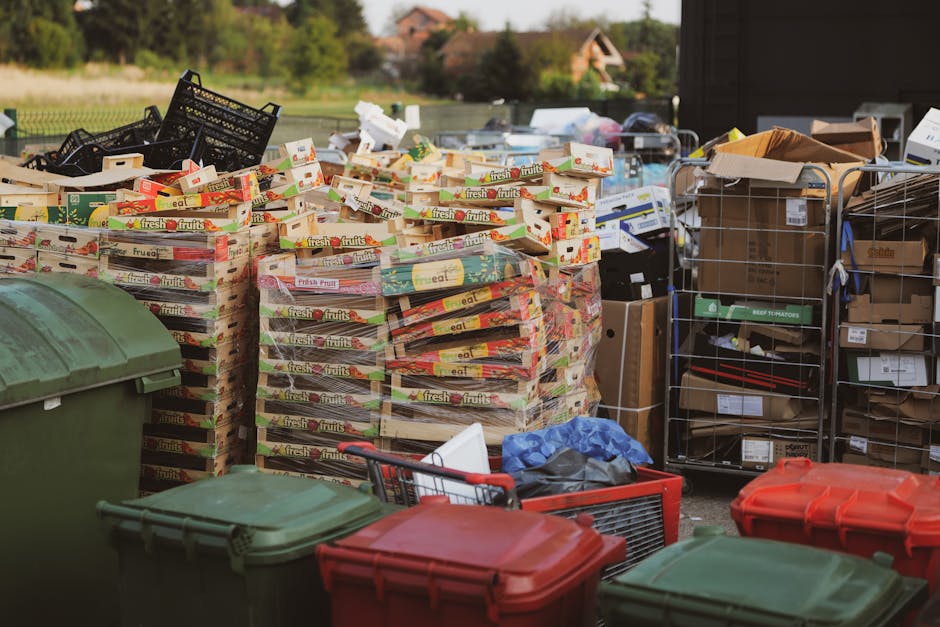
What to know about late rubbish collections in W8

If you have ever stared out at a bin bag that should have gone hours ago and thought, "Right, what now?", you are in the right place. What to know about late rubbish collections in W8 is not just about a collection arriving after the usual time. It is about what that delay means for residents, shops, landlords, and offices in a busy part of West London, and how to deal with it without the whole day tipping sideways.
Late collections can be minor and harmless, or they can create a proper nuisance: odours, blocked access, complaints from neighbours, missed business hours, and the awkward shuffle of moving waste back indoors. In W8, where flats, mews, period homes, and commercial premises often sit close together, timing matters more than people expect. This guide breaks down how late rubbish collections work, why they happen, what to do next, and how to keep things calm, legal, and tidy.
Why late rubbish collections in W8 matter
Late collections might sound like a small operational hiccup. In practice, they can ripple through a whole day. Bags left on the pavement too long can attract seagulls, foxes, and the less glamorous side of city living. A missed pickup outside a shop can spoil kerb appeal before the lunchtime rush. For households, a delayed collection can mean living with waste in a hallway or shared bin area until evening. Not ideal, really.
W8 has a mix of residential streets, mansion blocks, converted buildings, retail units, and office spaces. That mix makes waste timing more sensitive than in a more uniform area. One late pickup on a quiet street is annoying. A late pickup outside a busy commercial frontage can become a business problem very quickly. And if you are managing multiple properties, the knock-on effect can turn into complaints, extra cleaning, or an avoidable callout.
There is also a trust element. People want to know whether a delay is normal, whether they need to wait, and whether the waste should be left out or brought back in. That uncertainty is what usually causes stress, not the delay itself. The clearer your process, the easier it is to handle. Simple, but true.
Key takeaway: late rubbish collections in W8 are less about the clock and more about control. If you understand the reasons for delay and what to do next, you can avoid mess, friction, and wasted time.
How late rubbish collections in W8 work
A late collection usually means waste is collected after the expected time window, whether that window is set by a local waste service, a private collection slot, or a building's own arrangements. In the real world, timings shift for all sorts of reasons: traffic, parking restrictions, vehicle access, staffing, sorting delays, and weather. London roads do not exactly make life easy, do they?
For residents and businesses, the process is usually straightforward. You place the waste where it can be safely accessed, keep it separate if required, and wait for the collection team. If the pickup runs late, you may need to keep the waste secure until the team arrives or until a revised slot is confirmed. In some cases, a late collection is still completed the same day; in others, it is pushed back to the next available round.
What matters most is understanding which type of collection you are dealing with:
- Scheduled municipal or communal collection: often fixed by building or local service timing.
- Private rubbish removal: usually booked for a specific arrival window, but traffic and access can still affect timing.
- Bulky or specialist waste collection: can require a longer lead time and more precise handling.
If you need a broader sense of how waste removals are organised, it helps to compare the late collection situation with a standard waste removal service, because the level of flexibility and responsibility can be very different depending on the setup.
One practical point that gets overlooked: if your waste is being held in a shared hallway, bin store, or front garden, timing matters not just for convenience but for safety and compliance too. The later it stays out, the more likely it is to become someone else's problem. And that is when a small delay becomes a bigger one.
Key benefits and practical advantages
It may sound strange to talk about benefits when discussing delays, but there are a few. In some situations, a late collection is actually better than a rushed one, especially if you need time to sort, label, or separate waste correctly. A bit of breathing room can help if staff are still clearing out a premises, or if a household is trying to finish a same-day move. Late does not always mean poor service; sometimes it just means the day has shifted.
Here are the main practical advantages of understanding late rubbish collections properly:
- Less stress: you know whether to wait, call, or reset the plan.
- Better presentation: rubbish is less likely to sit out all day in view of neighbours or customers.
- Cleaner handovers: useful for landlords, tenants, and property managers coordinating move-outs.
- Reduced disruption: businesses can avoid blocking entrances during busy trading hours.
- Improved waste handling: more time to separate recyclables, bulky items, or restricted materials properly.
There is also a planning benefit that is easy to miss. If you know collections can run late from time to time, you start building in a small margin. That little margin saves a lot of frustration. Truth be told, it is one of those unglamorous habits that makes everyday life smoother.
If your collection involves larger or mixed household waste, you may also want to review options such as home clearance or more specialised help like furniture disposal when bulky items are part of the problem rather than the ordinary bin stream.
Who this is for and when it makes sense
Late rubbish collection guidance is useful for more people than you might expect. It is not just for landlords or facilities teams. In W8, the people who tend to feel the pinch are often the ones juggling access, deadlines, and shared spaces.
This matters most if you are:
- A resident in a flat or converted property with limited storage for waste.
- A shop, cafe, salon, or small office that needs the frontage clear.
- A landlord or letting agent managing between tenancies.
- A building manager dealing with communal bins and resident complaints.
- A homeowner clearing a loft, garage, or garden before guests, works, or a move.
It also makes sense when you are facing one of those awkward "half-finished" situations. Perhaps builders have left waste behind, or the collection has been delayed and a skip is not practical. In those moments, a flexible removal solution can be useful, especially if you are already comparing services like builders waste clearance or garage clearance.
One little reality check: if your waste problem is happening weekly, it is no longer a timing issue. It is a process issue. And it usually needs a better system, not just more patience.
Step-by-step guidance
If a rubbish collection in W8 is running late, do not guess your way through it. A simple sequence helps.
- Check the scheduled time window. Make sure you know whether the collection is meant to happen early, midday, or later in the day.
- Confirm whether the waste is in the right place. Access is a common issue. If bags are behind locked gates, parked cars, or obstacles, a collection can be delayed.
- Separate anything that should not be mixed. Hazardous, electrical, sharp, or confidential waste may need different handling.
- Wait a sensible amount of time. Some collections run behind schedule because of traffic, access, or previous stops. Not every delay means something has gone wrong.
- Contact the provider if the delay becomes unreasonable. Give clear details: address, type of waste, access instructions, and any visible barriers.
- Keep waste secure if it cannot be collected that day. Bring it back in if needed, especially if it might attract pests or block shared access.
- Record what happened. A quick note or photo can help if there is a complaint, a recurring issue, or a billing question.
That last step may sound fussy. It is not. A photo of the collection point, taken in daylight, can save a lot of back-and-forth later. You do not need a whole dossier. Just enough to show what happened, when, and where.
If the late collection involves a one-off clear-out rather than a standard bin pickup, you might be better served by a flexible booking route such as book online, especially if you need a specific arrival slot and a quick turnaround.
Expert tips for better results
Over time, the best results tend to come from a few small habits. Nothing dramatic. Just good housekeeping, honestly.
- Stage waste in a visible, accessible spot. Drivers and operatives waste time if they have to hunt for bags or navigate tight courtyards.
- Keep a little buffer before closing time or opening hours. For businesses, that buffer avoids a messy clash with customers or deliveries.
- Use the right containers. Weak bags split. Cardboard boxes collapse. And then everyone gets annoyed.
- Separate reusable, recyclable, and general waste where possible. It can simplify removal and reduce mistakes.
- Plan for the weather. Rain, wind, and damp cardboard can make a late collection much harder to manage.
One small but useful habit: keep a "collection-ready" spot near the exit. In a flat or small commercial unit, this might be just one corner by the door. In a larger property, it could be a labelled holding area. It sounds basic because it is basic. But basic works.
If you are dealing with larger household items, it can help to check related services in advance, such as mattress and sofa disposal or fridge and appliance removal, so a late collection does not leave you juggling items that need special handling.
And a tiny human note: I have seen people spend half an hour moving waste from one doorway to another because the first spot looked tidier. The collection team arrives, of course, and the waste is in the other spot. Happens more than you'd think.
Common mistakes to avoid
The biggest mistakes around late rubbish collections are usually not technical. They are practical oversights. Small things, but they cause the most grief.
- Leaving waste out too early. It can be untidy, attract attention, and create access issues.
- Blocking the collection point. A car, bike, delivery crate, or plant pot can be enough to delay the pickup.
- Mixing restricted items with general waste. This is especially risky with sharp, electrical, chemical, or confidential material.
- Assuming "late" means "still happening today" without checking. Sometimes a collection window changes completely.
- Ignoring recurring delays. One-off lateness is one thing. Repeated lateness usually needs a process review.
- Forgetting neighbours or shared building rules. In W8, that can create tension faster than the waste itself.
A common slip is to treat every delay as a failure. That is not always fair. Traffic, access, and sorting issues happen. But recurring lateness without communication? That is a different story. At that point, you need a better arrangement, not just more patience.
For businesses handling confidential or document-heavy waste, the wrong choice can be more serious than inconvenience. Services like confidential shredding are worth considering whenever paper security matters, because plain general waste is not the place to improvise.
Tools, resources and recommendations
You do not need fancy kit to manage late rubbish collections well, but a few tools make life easier.
- Phone reminders: useful for setting out waste at the right time, not hours too soon.
- Simple labels: especially helpful in shared homes, offices, or mixed-use properties.
- Photos of the collection point: handy for disputes, access notes, or repeated delays.
- Reusable bins or sacks: sturdier than thin bags and easier to move if plans change.
- A short contact log: keeps a record of who was told what and when.
In our experience, the most effective "resource" is still a clear, realistic plan. If you know the waste type, access constraints, and likely timing, the whole process becomes calmer. Add in a reliable provider and you are already ahead of the game.
For commercial premises, it is also worth reviewing how waste fits into wider operations. A late pickup can interfere with stock rotation, cleaning schedules, or opening routines. That is where a service with clear communication and straightforward booking, such as business waste removal or office clearance, may be a better fit than a one-size-fits-all arrangement.
If sustainability is part of your decision-making, look at whether items are being sorted for reuse or recycling where appropriate. A late collection is inconvenient; sending the wrong things the wrong way is avoidable. The decent thing, and the smart thing.
Law, compliance, standards, and best practice
Waste handling in the UK is shaped by practical duties and common-sense standards as much as by formal rules. The exact obligations can vary depending on whether you are a resident, landlord, managing agent, or business. So, without overclaiming, here is the safe and useful version: waste should be stored securely, collected responsibly, and kept separate where required.
For businesses, duty of care is a key principle. In plain English, that means you should make reasonable efforts to make sure waste is handled properly from start to finish. That includes using a suitable carrier, checking what can and cannot be mixed, and avoiding unsafe storage that could cause nuisance or risk. For residential settings, shared buildings usually come with their own rules too, and those can be just as important day to day.
Good practice for late collections usually includes:
- keeping waste accessible but not obstructive;
- storing it safely if collection is delayed;
- avoiding leaks, pests, and spillages;
- separating hazardous or restricted items;
- communicating clearly with the collection provider;
- logging repeat issues where they affect residents or tenants.
Some waste streams need extra care. Hazardous materials, for example, should never be treated like ordinary rubbish. The same is true for anything sharp, corrosive, or contaminated. If you are unsure, get clarity before the collection day. It is much easier than trying to sort it out after the fact, trust me.
For a deeper look at safe handling expectations, you may also find health and safety policy and insurance and safety relevant when deciding who should handle what and under what conditions.
Options, methods, and comparison
Not every late collection problem needs the same solution. Sometimes you wait. Sometimes you rebook. Sometimes you switch service type altogether. Here is a straightforward comparison to help you think it through.
| Option | Best for | Pros | Trade-offs |
|---|---|---|---|
| Wait for the delayed collection | Minor same-day delays | No extra booking needed, least disruption | Waste may remain on site longer than planned |
| Contact the provider for an update | When timing is unclear | Clarifies whether the collection is still due | May not speed the process up |
| Rearrange or rebook | Repeated delays or missed slots | Creates a fresh, clearer plan | Can take more time to coordinate |
| Use a different waste solution | Bulky, mixed, or time-sensitive waste | More flexible and often more practical | May cost more than a simple collection |
If you are dealing with a property clear-out, a flexible service can be more useful than trying to force everything into one delayed pickup. That is especially true for jobs involving furniture, white goods, or mixed waste. In those cases, compare the situation with a more tailored approach like flat clearance or house clearance, depending on the setting.
And yes, sometimes the best option is simply to pause, breathe, and stop rechecking the window every ten minutes. The bin will not move faster because you stared at it. Annoying, but true.
Case study or real-world example
A small cafe in W8 was expecting an early-afternoon waste pickup after a busy weekend. By mid-afternoon, the bins were still there, sitting just inside the service entrance. The manager had already started fielding questions from staff because the back area felt cramped, and there was a worry about the smell building in warm weather.
Instead of assuming the collection had failed, the manager checked three things: the access route, the waste type, and the booking notes. It turned out a delivery van had briefly blocked the shared service lane earlier in the day, and the pickup was pushed later than planned. The cafe kept the waste secured, moved one bag of cardboard to a dry indoor holding point, and left a clear note for the team. The collection happened later that evening.
What made the difference was not luck. It was a simple, calm process:
- confirm the access point;
- avoid moving waste around repeatedly;
- keep staff informed;
- stay realistic about timing;
- prepare for a late same-day arrival.
The lesson is useful for households too. Once you know the likely cause of a delay, you can choose the right response instead of reacting to every hour like it is a crisis. That little bit of structure makes the whole thing feel less messy, which is often half the battle.
Practical checklist
Use this checklist if a rubbish collection in W8 is running late or if you want to reduce the chance of problems in the first place.
- Confirm the scheduled collection window.
- Check that waste is in the agreed location.
- Make sure access routes are clear.
- Separate any restricted, sharp, or hazardous items.
- Keep bags sealed and containers stable.
- Protect waste from rain, wind, and pests where possible.
- Contact the provider if the delay becomes unreasonable.
- Take a quick photo if the issue may need follow-up.
- Bring waste back in if it will sit out overnight and that is permitted.
- Review whether a different service would work better next time.
Quick practical summary: late rubbish collections are easiest to manage when you plan for access, keep waste secure, and know when to wait versus when to act. A small bit of organisation saves a lot of faff later.
If you want a clearer, more reliable arrangement for your property or business, it is worth comparing service options and booking methods before the next collection day arrives. A tidy plan beats a last-minute scramble almost every time.
Get a free quote today and see how much you can save.
Conclusion
Late rubbish collections in W8 are inconvenient, but they do not have to become a headache. Once you understand the usual causes, the right response becomes much simpler: check access, keep waste secure, communicate clearly, and choose the right waste solution for the job. That is the practical core of it.
In a busy postcode like W8, where homes and businesses often sit close together, good waste timing is part of good neighbourliness as much as good operations. A little preparation goes a long way. And on the days when things still run late, at least you will know exactly what to do next.
Small systems. Clear timing. Less mess. That's the sweet spot.
Frequently Asked Questions
What should I do if my rubbish collection in W8 is late?
First, check the expected time window and make sure the waste is accessible. If the delay is beyond a sensible waiting period, contact the provider with clear details and keep the waste secure in the meantime.
Is a late rubbish collection the same as a missed collection?
No. A late collection still happens on the same day or within the revised window. A missed collection means it did not happen as expected and may need a rebook or follow-up.
How long should I wait before worrying?
That depends on the type of service and the agreed window. For a private booking, a reasonable delay can happen because of traffic or access issues. If there is no communication for a long period, it is worth checking in.
Can I leave rubbish out overnight if the collection is late?
Only if that is safe, allowed, and practical. In shared or public-facing areas, leaving waste out overnight can create nuisance, access problems, or pest issues. When in doubt, secure it indoors or in a protected storage area.
Why are rubbish collections often late in busy parts of London?
Traffic, parking restrictions, narrow access, shared entrances, and unexpected blockages all play a part. Busy urban areas like W8 can make even a well-planned route shift later than expected.
What if the late collection is for bulky items?
Bulky items usually need clearer access and more time. If the pickup is delayed, make sure the items stay safe and do not block hallways or entrances. For ongoing bulky waste needs, a tailored removal service may be easier than relying on a general collection slot.
Should I bring the waste back in if the collection does not happen?
Yes, if it is practical and safe to do so, especially if the waste would sit out and cause a nuisance. This is often the better choice in shared or high-footfall areas.
What types of waste need special attention when a collection is late?
Hazardous waste, sharps, electrical items, food waste, and confidential materials need extra care. These should not be left loosely exposed or mixed with ordinary rubbish.
How can I reduce the chance of late collection problems?
Keep waste accessible, use the right containers, avoid blocking collection points, and give clear instructions if access is tricky. A bit of planning helps more than most people expect.
Is it worth switching to a different waste service if delays keep happening?
Yes, if delays are recurring or affecting your home or business operations. A more flexible or better-matched service can save time, reduce disruption, and improve reliability.
Do late collections affect businesses differently from households?
Usually, yes. Businesses may face issues with customer access, smell, presentation, and opening hours, while households mainly deal with storage and convenience. In mixed-use buildings, both concerns can show up at once.
What is the safest way to handle rubbish while waiting for a late pickup?
Keep it sealed, accessible, and out of the way. Avoid moving it repeatedly, and do not mix in anything that needs separate disposal. If you are unsure about a particular item, set it aside until you can confirm the correct handling.